+86 15061990229
 info@lampsuite.com





A Complete Guide to Explosion-Proof Linear Light: Everything You Need to Know for Safe Industrial Lighting
 Sep 09, 2025|
 View:803
Industrial facilities operating in hazardous environments face unique lighting challenges that require specialized solutions. The implementation of proper lighting systems in explosive atmospheres has become critical for maintaining both safety standards and operational efficiency. Understanding the complexities of explosion-proof linear light technology helps facility managers make informed decisions that protect personnel while ensuring optimal illumination.
Key Takeaways
- Explosion-proof linear light fixtures provide essential illumination in hazardous environments where flammable gases, vapors, or dust particles exist
- Proper certification and compliance with industry standards ensure safe operation in classified locations
- Modern LED technology offers superior energy efficiency and longer lifespan compared to traditional lighting solutions
- Installation requirements and maintenance protocols differ significantly from standard commercial lighting systems
- Selecting the right fixture specifications requires understanding environmental conditions and operational demands
Understanding Explosion-Proof Linear Light Technology
What Is Explosion-Proof Linear Light?
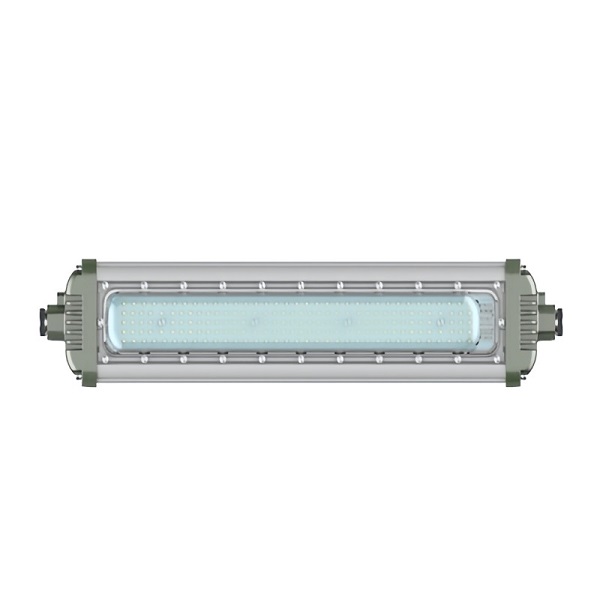
An explosion-proof linear light represents a specialized lighting fixture designed to operate safely in environments where explosive atmospheres may occur. These fixtures contain any internal explosion within their housing, preventing ignition of surrounding flammable materials. The robust construction and engineering standards make them essential for industries dealing with combustible substances.
The term "explosion-proof" refers to the fixture's ability to withstand an internal explosion without allowing flame or sparks to escape. This containment principle protects workers and facilities from potential ignition sources. Industrial facilities rely on these lighting solutions to maintain visibility while adhering to strict safety regulations.
Modern explosion-proof led linear lighting systems incorporate advanced LED technology with specialized enclosures. These fixtures deliver superior performance compared to traditional fluorescent or incandescent options, offering improved energy efficiency and reduced maintenance requirements.
How It Works
Explosion-proof linear light fixtures operate through a containment principle that prevents internal explosions from affecting the external environment. The housing materials and construction methods create barriers that can withstand significant pressure while containing flames and hot gases.
Key operational features include:
- Heavy-duty enclosures that resist impact and environmental exposure
- Sealed glass or polycarbonate lenses that maintain optical clarity
- Advanced heat dissipation systems that prevent dangerous temperature buildup
- Specialized mounting systems that secure fixtures in challenging conditions
The explosion-proof led linear light design incorporates multiple safety layers. Primary containment prevents explosion propagation, while secondary systems manage heat and electrical safety. Temperature monitoring ensures fixtures operate within safe parameters, automatically shutting down if overheating occurs.
Classification Systems and Standards
Hazardous Location Classifications
Industrial environments require careful classification to determine appropriate lighting solutions. Classification systems identify specific risks and corresponding safety requirements for explosion-proof linear light installations.
| Classification Type | Environment Description | Typical Applications | Safety Requirements |
Class I, Division 1 | Flammable gases/vapors present continuously | Petrochemical processing areas | Highest safety standards required |
Class I, Division 2 | Flammable gases/vapors present occasionally | Chemical storage areas | Moderate safety requirements |
Class II, Division 1 | Combustible dust continuously present | Grain handling facilities | Dust ignition protection needed |
Class II, Division 2 | Combustible dust occasionally present | Manufacturing areas | Basic dust protection required |
Certification Requirements
Proper certification ensures explosion-proof linear light fixtures meet stringent safety standards. Multiple organizations provide testing and certification services, validating fixture performance under extreme conditions.
Essential certifications include UL (Underwriters Laboratories) listings for North American markets and ATEX (Atmosphères Explosibles) certification for European Union compliance. These certifications verify that fixtures can operate safely in specified hazardous environments without creating ignition sources.
Certification processes involve rigorous testing of electrical components, housing integrity, and thermal performance. Independent testing laboratories evaluate fixtures under simulated explosion conditions, ensuring they meet or exceed safety requirements. Facilities must verify proper certifications before installing any explosion-proof lighting system.
Components of Explosion-Proof Linear Light
Housing and Enclosures
The housing represents the most critical component of any explosion-proof linear light system. Manufacturers construct these enclosures from materials capable of containing explosions while maintaining structural integrity under extreme conditions.
Premium housing materials include cast aluminum, stainless steel, and specialized alloys that resist corrosion and impact. The enclosure design incorporates flame paths and pressure relief mechanisms that safely manage internal explosions. Gasket systems create weatherproof seals that prevent moisture and contaminant ingress.
Modern enclosure designs balance protection requirements with heat management needs. Advanced thermal management systems prevent dangerous temperature buildup while maintaining optimal LED performance. Some housings incorporate heat sinks or cooling fins that enhance thermal dissipation.
LED Technology Integration
Contemporary explosion-proof led linear lighting systems utilize advanced LED technology that offers superior performance compared to traditional lighting sources. LED integration provides excellent energy efficiency, extended operational life, and improved light quality.
LED advantages in hazardous environments include:
- Reduced heat generation compared to incandescent or fluorescent sources
- Instant startup without warm-up periods
- Enhanced durability in vibration-prone environments
- Improved color rendering for better visibility
- Longer service life reducing maintenance frequency
Quality LED components undergo extensive testing to ensure reliable operation in extreme conditions. Manufacturers select LED chips and drivers specifically designed for industrial applications, ensuring consistent performance throughout the fixture's operational life.
Optical Systems
Optical systems in explosion-proof linear light fixtures must provide excellent illumination while maintaining safety standards. Lens materials require careful selection to withstand impact, temperature extremes, and chemical exposure.
Common optical materials include tempered glass and polycarbonate, each offering specific advantages. Tempered glass provides superior optical clarity and chemical resistance, while polycarbonate offers enhanced impact resistance and lighter weight. Some applications require specialized coatings that resist UV degradation or chemical attack.
Light distribution patterns vary based on application requirements. Wide-angle distributions provide general area illumination, while focused patterns concentrate light for specific tasks. Some fixtures incorporate adjustable optics that allow field modification of light distribution patterns.
Benefits in Industrial Applications
Enhanced Safety Performance
Explosion-proof linear light systems provide critical safety benefits that protect personnel and facilities in hazardous environments. These fixtures eliminate ignition sources while maintaining necessary illumination levels for safe operations.
Safety benefits include prevention of explosion initiation, protection of electrical systems from environmental hazards, and compliance with occupational safety regulations. Proper lighting reduces accident risks by ensuring adequate visibility for workers performing critical tasks.
Studies demonstrate that improved lighting in industrial environments significantly reduces workplace accidents. Better visibility enables workers to identify hazards quickly and respond appropriately. Consistent illumination levels help maintain productivity while supporting safety protocols.
Energy Efficiency Advantages
Modern explosion-proof led linear light fixtures deliver exceptional energy efficiency compared to traditional lighting technologies. LED technology consumes significantly less power while producing comparable or superior light output.
Energy efficiency benefits include reduced operating costs, lower heat generation, and decreased electrical infrastructure requirements. LED fixtures typically consume 50-80% less energy than equivalent fluorescent or high-intensity discharge alternatives. This efficiency translates directly into operational cost savings and reduced environmental impact.
Power factor correction and advanced driver technology optimize electrical performance. Smart control systems enable dimming and scheduling capabilities that further enhance energy savings. Some systems incorporate occupancy sensors that automatically adjust lighting based on activity levels.
Maintenance Considerations
Explosion-proof linear light fixtures require specialized maintenance protocols that differ from standard commercial lighting systems. Understanding these requirements helps facilities develop effective maintenance programs that ensure continued safe operation.
Maintenance activities must follow specific procedures to maintain explosion-proof integrity. This includes proper fixture shutdown procedures, certified personnel requirements, and documentation standards. Any maintenance work that compromises the explosion-proof rating requires immediate correction before returning fixtures to service.
LED technology significantly reduces maintenance frequency compared to traditional sources. Extended LED life spans mean fewer replacement cycles, reducing maintenance costs and minimizing exposure to hazardous environments during service activities.
Selection and Installation Guidelines
Environmental Assessment
Proper fixture selection begins with thorough environmental assessment that identifies specific hazards and operational requirements. This evaluation determines necessary safety classifications and performance specifications for explosion-proof linear light installations.
Assessment factors include ambient temperature ranges, chemical exposure risks, moisture levels, and vibration conditions. Each factor influences fixture selection and installation requirements. Facilities must document environmental conditions to ensure proper specification compliance.
Electrical system compatibility requires careful evaluation to ensure proper integration with existing infrastructure. Voltage requirements, control systems, and emergency backup power all influence fixture selection decisions.
Installation Requirements
Installation procedures for explosion-proof linear light systems require specialized knowledge and certified personnel. Proper installation maintains safety integrity while ensuring optimal performance throughout the fixture's operational life.
Critical installation considerations include mounting system selection, electrical connection methods, and seal integrity verification. All connections must maintain explosion-proof ratings through approved fittings and conduit systems. Installation teams must follow manufacturer specifications precisely to preserve safety certifications.
Commissioning procedures verify proper installation and system operation. Testing protocols include electrical safety verification, light output measurement, and emergency system integration. Complete documentation ensures regulatory compliance and supports future maintenance activities.
Quality Assurance
Quality assurance programs ensure explosion-proof linear light systems meet performance expectations throughout their operational life. Regular testing and inspection protocols identify potential issues before they compromise safety or performance.
Inspection schedules should address both preventive maintenance requirements and regulatory compliance obligations. Visual inspections verify housing integrity, while electrical testing confirms continued safe operation. Documentation systems track inspection results and maintenance activities.
Performance monitoring systems can provide real-time feedback on fixture operation and energy consumption. Advanced systems generate alerts for maintenance needs or performance degradation. This proactive approach minimizes downtime while maintaining safety standards.
Advanced Features and Technology
Smart Controls Integration
Modern explosion-proof linear light systems increasingly incorporate smart control capabilities that enhance operational flexibility and energy efficiency. These systems enable remote monitoring, automated scheduling, and dynamic lighting adjustments based on operational requirements.
Smart control features include dimming capabilities, occupancy sensing, and daylight harvesting systems. Integration with facility management systems provides centralized control and monitoring capabilities. Some systems offer wireless connectivity that simplifies installation in challenging environments.
Emergency lighting integration ensures continued operation during power outages or emergency situations. Battery backup systems maintain minimum illumination levels to support safe evacuation procedures. Advanced systems provide status monitoring and automatic testing capabilities.
Emerging Technologies
Technology advancement continues to improve explosion-proof linear light performance and capabilities. New developments in LED efficiency, optical systems, and control technologies offer enhanced benefits for industrial applications.
Emerging trends include higher efficiency LED packages, improved thermal management systems, and enhanced optical designs. Color-tunable LEDs enable dynamic lighting adjustments that support circadian rhythm management and task-specific requirements.
Wireless communication capabilities simplify system integration and enable advanced monitoring features. Internet of Things (IoT) connectivity supports predictive maintenance programs and energy optimization strategies.
Regulatory Compliance and Standards
National Electrical Code Requirements
The National Electrical Code (NEC) provides comprehensive guidelines for electrical installations in hazardous locations. These standards define classification systems and safety requirements that explosion-proof linear light installations must follow to ensure regulatory compliance.
OSHA Safety Standards
OSHA workplace lighting regulations establish minimum illumination requirements and safety protocols for hazardous environments. Facilities must comply with these hazardous location equipment standards to maintain safe working conditions while avoiding regulatory violations.
Conclusion
The proper selection and implementation of explosion-proof linear light systems requires careful consideration of safety requirements, environmental conditions, and operational needs. These specialized fixtures provide essential illumination while maintaining the highest safety standards in hazardous industrial environments.
Understanding classification systems, certification requirements, and installation protocols ensures successful project outcomes. The benefits of modern LED technology, combined with explosion-proof engineering, deliver superior performance compared to traditional lighting solutions.
Facility managers seeking reliable explosion-proof linear light solutions should partner with experienced manufacturers who understand the complexities of hazardous environment lighting. For organizations requiring professional explosion-proof linear light supplier services, Lampsuite offers comprehensive solutions that combine advanced technology with proven safety performance.
FAQ
What is the main difference between explosion-proof and standard industrial lighting?
Explosion-proof linear light fixtures contain any internal explosion within their housing, preventing ignition of surrounding flammable materials. Standard industrial lighting lacks this containment capability and cannot safely operate in hazardous environments where explosive atmospheres may occur.
How do you determine the correct classification for explosion-proof lighting?
Classification depends on the specific hazardous materials present in your environment. Class I locations contain flammable gases or vapors, while Class II locations have combustible dust. Division ratings indicate whether hazardous materials are continuously present (Division 1) or occasionally present (Division 2).
Can explosion-proof LED linear lights be dimmed?
Yes, many modern explosion-proof led linear lighting systems incorporate dimming capabilities when equipped with compatible drivers and control systems. However, all dimming components must maintain explosion-proof ratings and proper certifications for the specific hazardous location classification.
What maintenance is required for explosion-proof linear light systems?
Maintenance must follow specific procedures to preserve explosion-proof integrity. This includes proper shutdown protocols, inspection of housing seals and gaskets, verification of mounting system integrity, and documentation of all maintenance activities. Only certified personnel should perform maintenance work.
How long do explosion-proof LED linear lights typically last?
Quality explosion-proof led linear light fixtures typically provide 50,000 to 100,000 hours of operation, significantly longer than traditional fluorescent or HID alternatives. Actual lifespan depends on operating conditions, ambient temperature, and maintenance practices.
Are there energy efficiency incentives for upgrading to explosion-proof LED lighting?
Many utility companies and government programs offer rebates or incentives for LED lighting upgrades in industrial facilities. These programs recognize the energy savings and safety benefits of modern explosion-proof led linear lighting systems compared to traditional technologies.